Why dirty solar panels lose yield
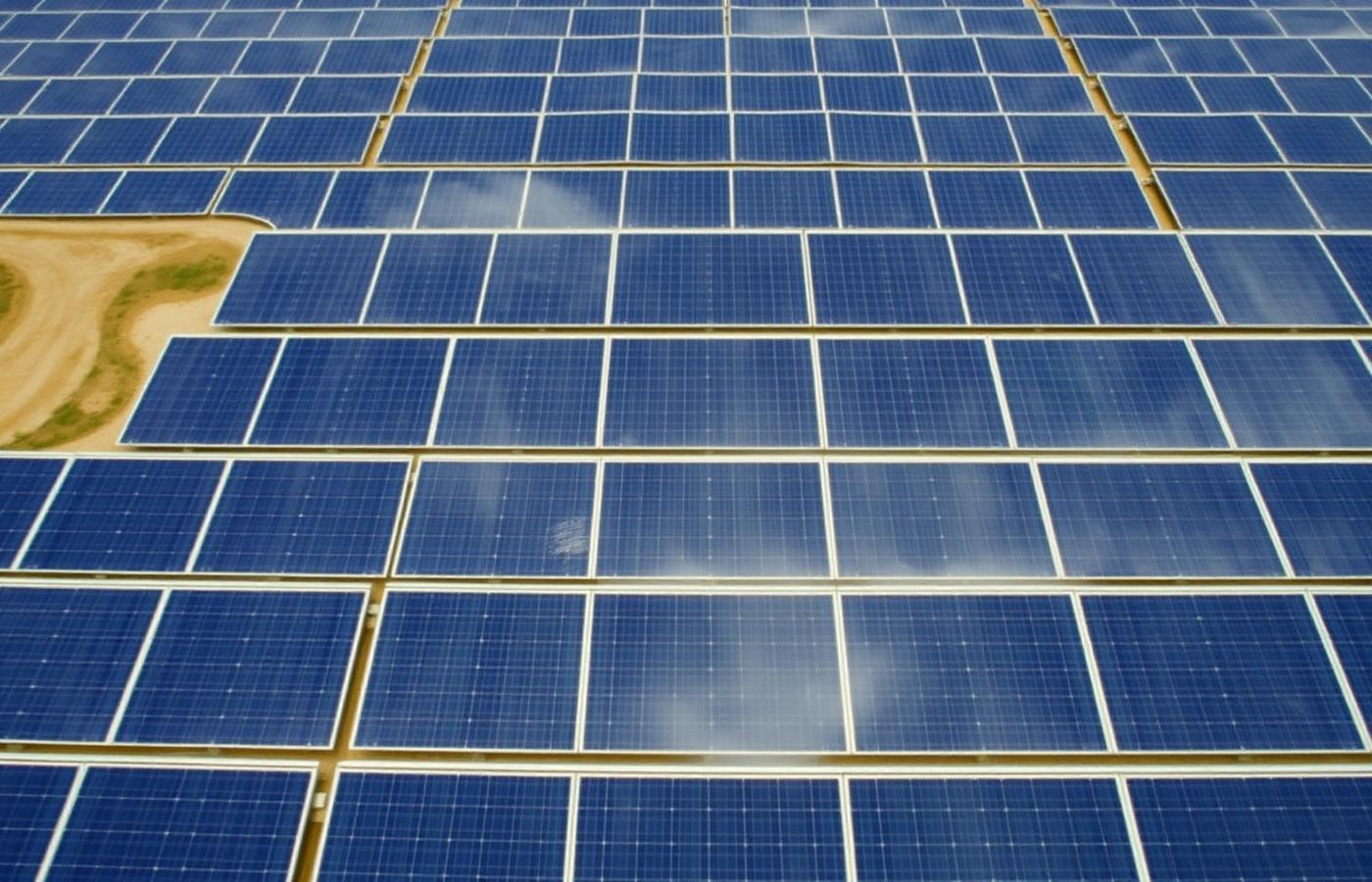
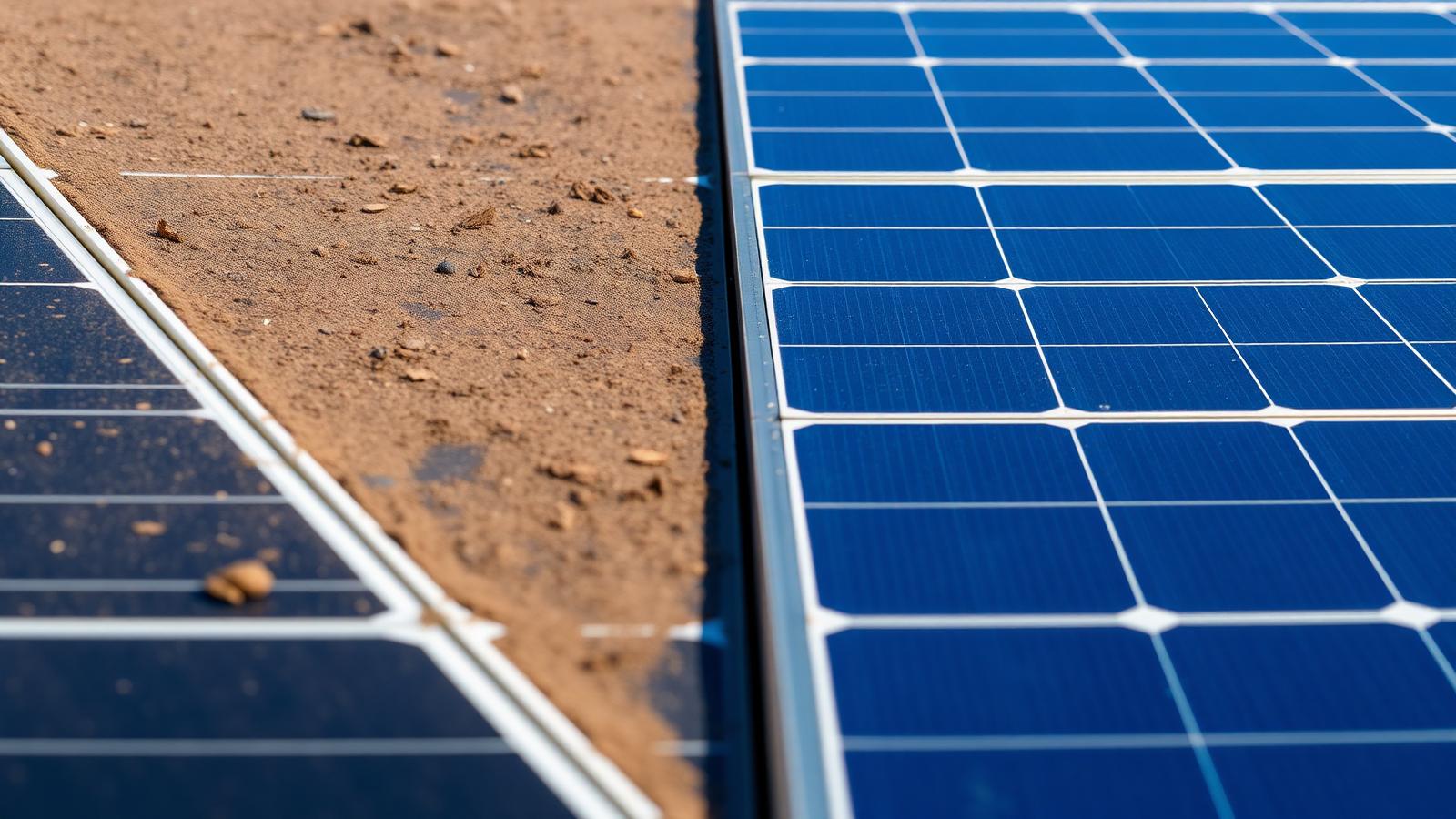
Solar panels are designed to generate electricity for decades with minimal maintenance. Yet one important factor is often underestimated: soiling of the panel surface. Dust, pollen, bird droppings, moss, algae and other contaminants can reduce the amount of sunlight reaching the solar cells, lowering energy production.
In this article we explain why soiling affects solar panel yield, which types of dirt are most problematic, and when a professional inspection or cleaning is advisable.
How do solar panels work?
A solar panel converts sunlight into electrical energy through photovoltaic cells. These cells produce electricity as soon as sufficient sunlight reaches the surface.
Anything that reduces or blocks incoming sunlight also reduces the amount of electricity that can be generated. Even when only a small part of a solar panel is covered, this can have a noticeable impact on the performance of the entire panel or even an entire string, depending on the installation and the presence of optimisers or micro-inverters.
Which types of soiling are most common?
The degree of soiling strongly depends on the environment in which an installation is located.
Common forms include:
- dust from agricultural activities or dry periods;
- pollen during spring;
- bird droppings;
- leaves and organic material;
- moss and algae growth at the edges of panels;
- soot particles from traffic or industry;
- sand and fine dust after prolonged dry periods.
Installations in agricultural areas, near industry, busy roads or under trees will generally get dirty faster than installations in open surroundings.
What is the effect on yield?
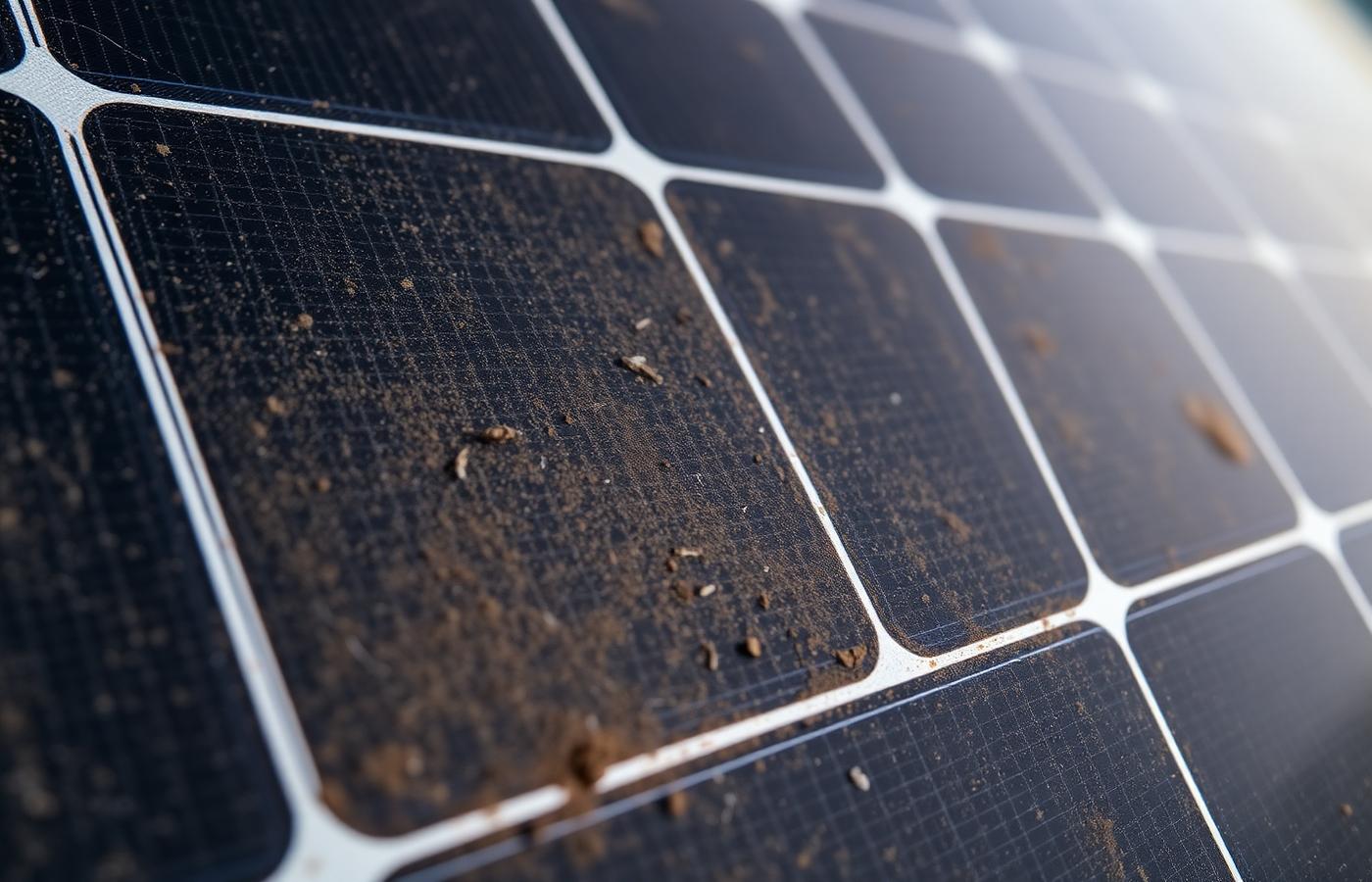
Under normal conditions, rain washes away some of the loose dirt. However, rain does not remove all soiling. Bird droppings, caked-on dust, moss growth and organic residue in particular often remain present for a long time.
Scientific studies show that soiling causes a measurable loss in energy yield. The size of this loss depends on factors such as:
- the amount of soiling;
- the type of soiling;
- the tilt angle of the panels;
- local weather conditions;
- the environment in which the installation is located.
International research reports that annual yield losses due to soiling in temperate climates are often limited to a few percent, while significantly higher losses can occur in dry or dusty regions. With local, heavy soiling — for example from bird droppings or leaves — the power loss of an individual panel can temporarily be much greater.
It is therefore not correct to apply a single fixed percentage of yield loss to all installations.
Local shading has a bigger effect than many people think
Not all soiling causes the same problem.
A thin layer of dust usually causes a limited, uniform reduction of incoming light.
Local soiling, such as bird droppings or leaves, can however completely cover a small part of a solar cell. Because solar cells are electrically connected to each other, such local coverage can affect the performance of a larger part of the panel.
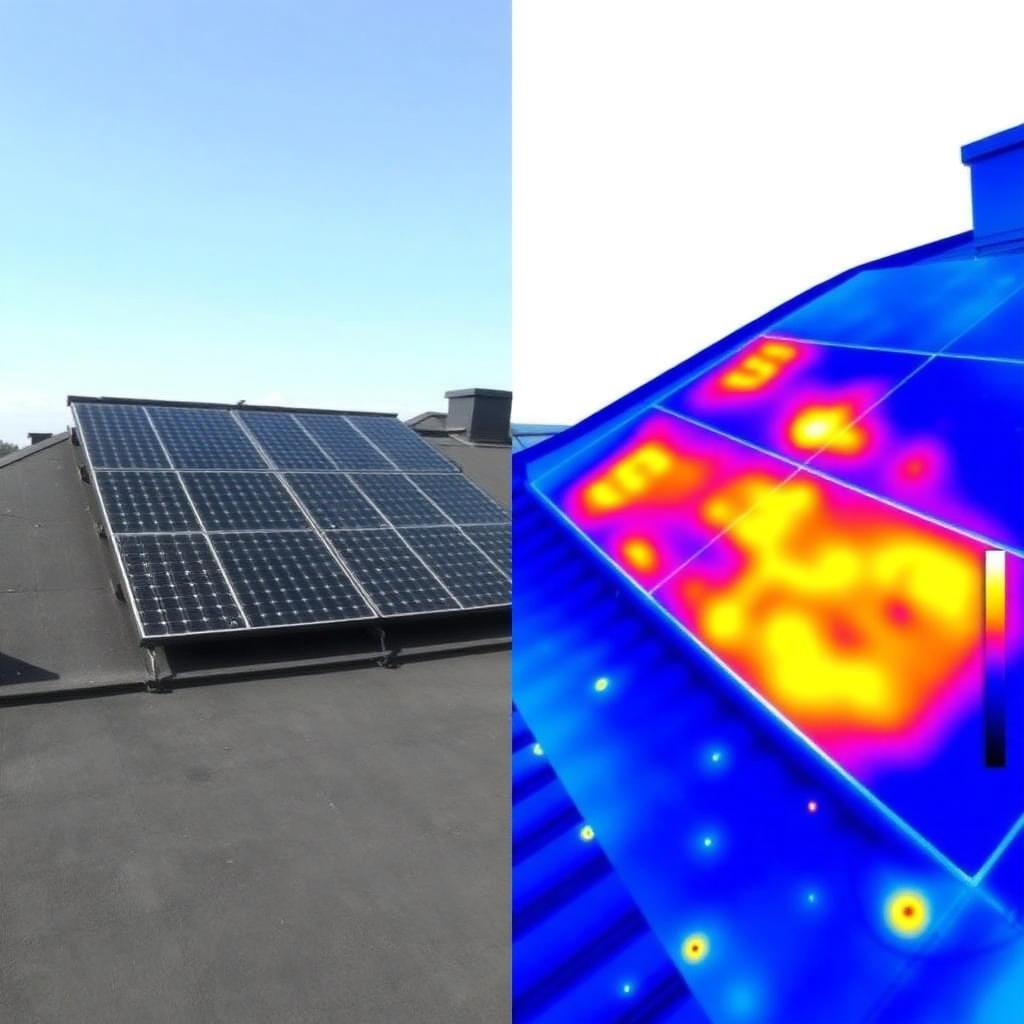
With prolonged and severe local coverage, certain cells can also become hotter than the surrounding cells. This phenomenon is known as a hotspot. Hotspots can negatively affect the lifespan of solar panels when they persist for a long time.
When is cleaning worthwhile?
In general, every installation benefits from annual cleaning as part of maintenance.
Professional cleaning can be worthwhile when:
- a visual inspection shows clear soiling;
- bird droppings or organic residue are present;
- the installation is located in a dusty environment;
- performance appears lower than expected;
- thermographic inspection reveals anomalies;
- the panels have not been naturally cleaned by rain for a long time.
Cleaning is especially worthwhile when soiling effectively affects energy production. That is why a prior inspection is often preferable to routinely cleaning every installation.
Inspect before cleaning
At DROPS, we believe a proper inspection should always precede any cleaning.
Using drones, solar panels can be checked safely and efficiently for:
- soiling;
- visible damage;
- loose cabling;
- defective panels;
- hotspots (via thermography, where applicable).
Based on this inspection, we can objectively assess whether cleaning is technically worthwhile.
This avoids unnecessary maintenance costs and ensures that cleaning is only carried out when it actually adds value.
Conclusion
Soiling of solar panels is a normal phenomenon that can, over time, lead to reduced energy production. The impact varies greatly per installation and is determined by the environment, the nature of the soiling and weather conditions.
Regular drone inspection and, where necessary, professional cleaning, help detect problems in time and keep the installation's performance up to standard.
Not sure about the condition of your solar panels? A professional inspection quickly gives you insight into the state of your installation and forms the ideal basis for any further maintenance work.